Tuesday, 18 December 2012

Haiku about oceans


Fist raised in fury,

Neptune roils the briny depths;

Ships roll in rough seas.

Etcetera: Haiku about cats

Etcetera: Haiku about cats:   Soft nose may nuzzle, Yet Puss reigns supreme. Beware!. Those sharp claws can wound.

Haiku about cats


Soft nose may nuzzle,
Yet Puss reigns supreme. Beware!.
Those sharp claws can wound.

Friday, 30 November 2012

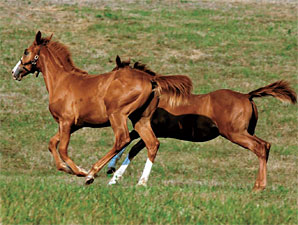
Haiku about horses


Racing with the wind,

Nostrils flared, tails aloft,

Pegasus' offspring.

Senryu about unicorns


Noah forgot you,

Gallant steeds with wondrous horns,

Vanished forever,

Haiku about potatoes

 
Leave your earthy womb,

Emerge to see the sunlight;

See me eyes to eye.

Tuesday, 27 November 2012

Senryu about sausages

Links of small piglets.

Lucious protein on my plate,

Rise to meet your fate.


Sunday, 25 November 2012

Haiku about fog


Pondrous dewdrops hug

Then droop to kiss the fields and

Greet the rising sun.

Friday, 23 November 2012

Do celebrity endorsements help sell a product?


Celebrity endorsements should have no effect at all on how well a product will sell. In fact, these types of testimonials ought to make a consumer extremely cautious about buying that particular product for the following reasons:

* Celebrities are not just regular "folks". For some special reason, whether it be attractiveness, athletic ability, lifestyle or other peculiarity, they stand out from the rest of society. Most consumers are astute enough to realize this. They also realize that because a celebrity endorses a product does not necessarily mean it will have the same effect on everyone.

If Grandma buys makeup endorsed by Lindsay Lohan, she will not end up looking up like the starlet and, at her stage in life, Granny knows this very well.

If Junior buys runners endorsed by Michael Jordan, he will not automatically become a basketball star. Today's youngsters, often gifted by doting parents and relatives, learn this at an early age.

* Celebrities must maintain elegant lifestyles in order to command continuing interest from their fans. These lifestyles are extremely costly. Savvy consumers know very well that celebrities are paid substantial royalties for their endorsements. Being only human, many well-known people can find it very tempting to endorse any mediocre product if it will finance a Caribbean vacation, or a beach house at Malibu.

* Every consumer should take a few minutes to research the background of the celebrity who is currently slogging a product. Chances are you will find that this icon of contemporary society has been involved in multiple affairs and/or marriages, has been charged several times with drug or alcohol offences, has been in and out of rehab programs and has participated in public feuds and displays of temper with current and/or past lovers, family members and friends.

If the celebrity in question was as ordinary as the gal or gal next door, you would probably have crossed them off your Christmas card list and unfriended them on facebook long ago because of their escapades and erratic behavior. Is it sensible now to accept their opinion unquestionably and spend your hard-earned money on something they claim to endorse? Can you even be sure they were stone-cold sober when they made the commercial?

Because of the current recession, most buyers watch every cent they spend to be sure they receive the best value for their hard-earned dollar. When considering the purchase of a new item, it is much more valuable to accept the recommendation or a trusted relative or friend.

Celebrities exist in the rarefied atmospheres of Hollywood, Broadway, and other exotic locations around the globe. Those of us in the real world will seldom agree with their tastes and preferences. Therefore, their endorsements are of little value to the average person. The savvy modern consumer knows this very well..


Friday, 16 November 2012

Signs you are a loner


 "The good and the wise lead quiet lives." - Euripides

Dictionary.com defines a loner as "a person who is or prefers to be alone, especially one who avoids the company of others." Loners are often referred to as introverts.  

 Actually, everyone prefers to be solitary at times, for respite, relaxation, to reflect on recent events, to daydream and make plans for the future. Keeping this in mind, how can you know if you are, in fact, a true loner? There are some specific indicators which can help you decide:

 * You seldom initiate communication with others. You don't phone, text, or write or visit unless it is absolutely necessary. Even then, you do much more listening than sharing your own thoughts or feelings. You are considered to be a good listener.

 * When you need to communicate, you prefer to do so in writing.

 * You have few friends and very few intimate relationships.. Such bonds may form slowly, and if a stranger joins the group, you may quickly withdraw.

 * When possible, you choose a job where you can work alone, preferably from home.

 * You have an unlisted phone number and hesitate to tell others where you live.

 * You seldom have plans for special days, such as birthdays, New Year's Eve, or Valentine's Day.

 * You have no desire to join facebook.

 * You feel uncomfortable in crowds, usually make excuses to avoid parties, and you often prefer to eat meals alone. When attending a group affair, you may well make an excuse to leave early.

 * Having to interact with a group of people for any length of time leaves you feeling emotionally and mentally drained.

 * Your hobbies and pastimes are activities that can be done alone, like reading, writing or doing handicrafts.

 * You prefer to make plans by yourself or with one trusted friend. You will only share events of your past, present or possible future with a close family member or with a true friend of longstanding.

 * When conversing one-on-one with a trusted friend or family member, you can be as vocal as anyone else, although you may need to pause often to collect your thoughts.

There is nothing wrong with being a loner. Throughout history, introverts have contributed much to society.

Among famous introverts are:  Warren Buffet, Rosa Parks , Charles Darwin, Al Gore, J.K. Rowling, Albert Einstein, and Mahatma Gandhi. Loners are frequently leaders: independent, possessing strong concentration skills, reflective, responsible, creative, able to think "outside the box", studious and smart. They can analyze and ultimately integrate complex information. They take the time and have the ability to do so.
 
 The world needs loners. However, it is important to remember that: " No man is an island", as John Donne observed. While valuing your introverted personality, you need to make an effort to remain in contact with other people as well as with contemporary society, so you can offer your specialized gifts and talents where they will be most beneficial.
 
"Who looks outside, dreams; who looks inside, awakes." - Carl Jung


Friday, 9 November 2012

Thanksgiving dinner: Make it yourself or order out?


When you look back on past Thankgivings, what do you remember most? The answer probably depends on your gender and the position you hold in the family. In my experience, the males enjoy many more pleasurable reflections on this holiday with its sumptuous dinner tradition at home than the females.


For days ahead of the big day, the house must be cleaned, the menu planned, the provisions and decorations bought, invitations issued if guests are to join the celebration, and suitable clothing planned and/or purchased for family members. In some households, a modern man may assist in these preparations, but the majority of the responsibility will fall on the wife or the significant female member of the family.
 

The real "fun" begins on Thanksgiving Eve. A mass of unprepared, raw vegetables are crammed into the fridge ready to grace the festive table the following day. Of course they need to be washed, peeled, cooked, chopped, mashed, sliced, garnished or whatever, before they are edible. Who will be gifted with this enjoyable passtime? Chances are it will be Mom and perhaps the older daughters, if the family is fortunate enough to have one or two.

 
The festive bird must not be forgotten. Most turkeys come frozen hard as rocks. They must be thawed, gutted, and stuffed before they go into the oven. A conscientious hostess must make the dressing from an old secret family recipe. It is considered cheating to take advantage of the excellent variety of instant stuffings available today.

 
Dare the cook offer comercially-prepared cranberry sauce? Maybe if it is partially concealed behind a mountain of mashed potatoes no one will notice.

 
Actually, the more daring of the domestic divas will be wondering if they can get away with store-bought pumpkin pie and ice cream for dessert. Perhaps if the main course is so delectibley delicious, no one will have room for dessert, but she can't count on it.   

 
So, the night before the big day is spent preparing stuffing which should contain some exotic ingredients to be considered truly memorable. Some ladies stay up late to get the bird stuffed and in the oven so it will cook for just the right amount of time if dinner is to be served at noon. However, her labors have barely begun.

 
Bright and early next morning, she will be back in the kitchen, basting the bird, peeling potatoes, and preparing the other vegetables as required. The older girls will be hounded into giving the environment a final vacuuming, dusting and general tidying up before the guests assemble.

 
Somehow, everything will come together and another Thankgiving dinner will pass. Then what? In many families, the males assemble in the family room to enjoy coffee, a visit, or doze, spending the next few hours relaxing and letting their dinners digest.

 
The females will clean the table, put the first load of dishes in the dishwasher, (if they are lucky enough to have one), pack leftovers into the fridge, and then start pulling greasy turkey parts off the skeleton to be served in a variety of ways the following week. One wonders how the ladies contain their delight at the opportunity to perform these enjoyable tasks! The creative ones may keep their excitement under control with a glass of wine or two.

 
When you look back on past Thankgivings, what do you remember most? It depends on your gender. The men will remember a tidy home, a delicious meal, good company, and a well-dressed family making an almost perfect holiday. The ladies- not so much.

 
Thanksgiving dinner: Make it yourself or order out? Given a free choice, all females, including this writer, would definitely vote to order out!


Wednesday, 31 October 2012

The key to successful aging


The key to successful aging is to pay as little attention to it as possible.    Judith Regan

Everyone, if they are fortunate enough, will experience the advantages and disadvantages of old age. Being a successful senior requires certain skills and attitudes that need to be developed throughout life. These qualities will not magically appear as the twilight years approach.

Family members will be among the first to notice when their elders begin to slow down. In time, Grandma or Grandpa will no longer wish to participate in the active activities their younger relatives enjoy. Older folks may repeat the same stories to the same person several times. Operating the latest gadgets may seem to be beyond their capabilities, and furthermore, they may exhibit no interest in learning to do so.

So how can one prepare oneself to "age gracefully", when family members and even the senior himself or herself, must admit that he or she is no longer in the prime of life? Here are a few suggestions:

* Maintain as many friends as possible who are your contemporaries. Since everyone is at the same stage of life, you will have many of the same interests. You can laugh together at the foibles of youth as well as your own age-related blunders.

* Develop interests which are enjoyable and can be done alone: reading, painting, photography, needlework, writing, or baking. Besides being satisfying hobbies, some of these activities produce unique gifts. When the young folks receive homemade cabbage rolls, lasagna, or a handmade sweater or afghan from you, they may decide that their elders are not so irrelevant after all.

* Become your own best friend. Give yourself permission to watch a late movie and sleep until noon, to enjoy your favorite snack often, without counting calories, to splurge on a bottle of perfume or on a visit to a spa. Get a personal DVD player and enjoy movie classics whenever you wish. These are your "golden years", and it's permissible to pamper yourself.

* Nourish yourself well, physically, mentally, and spiritually. Eat and drink wisely and in moderation, develop an appreciation of good art, music and literature, and attend the church of your choice regularly.

* Join a seniors' center or church group for seniors and participate in activities offered. You'll be socializing with people of a similar age while sharing activities, outings and adventures geared for enjoyment. As a dividend, you will not be left tired out for the next three weeks.

* Visit your doctor regularly. You need to maintain good health to enjoy these "golden years" as long as possible.

* Overcome your aversion to new-fangled gadgets and get a computer. They are really not hard to operate and they will be your window on the world. Enlist a patient younger person as a coach and have him or her write down instructions so you can practice on your own, at your leisure. Soon you'll have friends around the globe with whom you can visit any time, day or night, no matter what the weather.

Growing older, admittedly, has some disadvantages, but it also contains an excess of blessings which are sometimes too numerous to count. If prepared for properly, and eased into gently with a positive attitude, the twilight years can be one of the most enjoyable of all the seasons of life.

The other day a man asked me what I thought was the best time of life. "Why," I answered without a thought, "Now".            David Grayson


Friday, 19 October 2012

Haiku: Pumpkins


When harvest moons slide
 To earth, sharp blades transform them 
 To glowing icons. 

Saturday, 13 October 2012

Until I die

Friends and family

Have passed away,

Have moved away,

Have turned away,

Have faded away,

Have walked away,

Or run away,

And I am left to brood

In God's waiting room,

Until I die.


Friday, 31 August 2012

Five things a woman wants in marriage


Every little girl dreams of marrying a handsome, prince-like young man and living happily ever after. Sometimes, those wishes come true. Once committed, most women will work their hearts out to make their marriage succeed. However, there are certain qualities she will expect from the man she vows to love, honor and obey for the rest of her life. Among them are:

1. Fidelity

If a woman cannot trust her husband to be faithful in all aspects of their relationship, then the marriage is probably doomed to failure. Of course, physical fidelity is of the utmost importance. In addition, a wife should be able to trust that her husband will not discuss the problems and complaints, which arise periodically in any marriage, with outsiders. Ideally,  partners should be able to discuss difficulties openly and negotiate satisfactory solutions calmly and reasonably.    

2. Love

Physical intimacy is essential during the early years of marriage; however, as  time passes the importance of love manifested as a deep, abiding friendship and mutual respect becomes increasingly important. As years pass, either spouse may develop physical problems which limit the expression of marital intimacy. If the relationship has evolved to the phase wherein each one truly considers the other his or her best and most trusted friend, the marriage can survive whatever difficulties life presents. 

3. Partnership

 Most wives are willing to commit their all to make their marriage a success. However, few are foolish enough to accept one hundred percent of the responsibilities the union will entail. If the wife agrees to works outside the home to help support the family, the husband must be ready to share half of the childcare duties and household chores. The privileges and responsibilities of successful marriages are a fifty-fifty proposition.

4. Tolerance

No human being is perfect and every marriage will experience its share of bumps along the way. Each partner must try to be non-judgemental, to control his or her temper, and to allow a spouse extra space when he or she is having a bad day.  Temper tantrums, accusations, put-downs, and hurtful comments will be remembered long after any temporary irritation is forgotten. However, patience, kindness and understanding will pay dividends to the tolerant partner when the tables are turned, some day in the future.

 5. Humor

Women love men who can make them laugh. Most situations in life, which seem irritating or serious at the time, will also have a funny side, if one takes the trouble to look for it. Humor goes a long way dispel tension and dissipate anxiety. The wise husband will make it a priority to coax a giggle, a chuckle, or at least a smile from his spouse several times a day. From these comic-relief moments will spring the anecdotes both parties will recall with pleasure in the years to come.

 Admittedly, most young husbands are not handsome, prince-like beings, but their imperfections will be probably be overlooked if they try to adopt the above personality traits. In all fairness, young wives will not always look or act like perfect princesses either. That's when fidelity, love, partnership, tolerance and humor must be evident in the behaviors of both spouses.   

Saturday, 18 August 2012

Why I hate Winter


I hated it as a child, I hated it as a teenager, I hated it as a teacher, I hated it as a parent, and now as a senior I hate Winter more than ever! The fact that I have always lived in the same city, in Southern Ontario, Canada, is probably a huge contributing factor to my negative attitude.

When I was young, my long-suffering mother would dress me up in leggings, boots, snow jacket, hat, hood and mittens so I could go out and play in the snow. Ten minutes later, she'd reverse the process because my mitts were wet, my hands were freezing, my socks were soggy and my boots were stuffed with the cold white stuff. Besides, there was nothing to do out there.

Undaunted, she signed me up for skating lessons at the "Winter Club", at the local arena.. I soon discovered that ice skating was not among my limited list of talents. Now I had skinned knees, bruises and a sore posterior to add to the long list of winter miseries.

The teen years were no improvement, only now I had to dress myself. Trudging off to high school through a raging blizzard, like Nanook of the North, loaded down with books was not my idea of fun. Indulging in any outdoor winter sports would have seemed like an undeserved punishment.

It's no wonder I did well at school. Sitting in a warm house doing Homework seemed the best of all available choices during the Winter months.

Eventually I became a teacher, spending most of my career in the early grades. Then, guess what? It was payback time. I had twenty-odd little souls to manoeuvre in and out of winter clothing eight times a day from November through March. Sometimes parents would come early to pick up their child and they'd help with some of the others. I could have kissed them, but I was afraid I'd scare them away and they wouldn't come back and help again.

To add to the fun, the children were bussed to the arena for weekly skating sessions during January and February. These took the place of the usual Physical Education lessons. Every young Canadian would naturally love the activity, and have a natural proclivity for moving gracefully around the ice-covered surface on skates, right? Wrong!

The teachers were expected to be on the ice with the children, in case there was an accident. Most of them were, gliding along on their skates giving pointers to the odd child who was having problems.

Then there was me. I didn't dare risk trying to skate; I'd learned my lesson in that area years ago. I shuffled along in my winter boots, which covered two pair of socks on my cold, numb feet and I prayed for this torturous period in Purgatory to pass quickly.

My first marriage lasted ten years before my husband left for greener pastures leaving me with four children under eleven to raise. The three boys should have been encouraged to join hockey teams, like their friends. But, besides the prohibitive financial considerations, the practices took place at five A.M. and I just couldn't face dragging us all out in the cold at that unholy hour, standing around in a frozen arena for two hours and then teaching all day. Selfish, you think? Lazy? Maybe, but I just couldn't handle it at the time.

To be honest, there were a lot of winter sports and activities they missed out because of my hatred of the coldest season.

Now, I'm a senior, retired and happily married for thirty-five to my second husband, but there's one thing that hasn't changed. I still hate winter. As I write, I'm wearing two pair of woolly socks under my shoes, a fluffy jacket, and heavy jeans. The house is 72 degrees F.

You may be asking, if I won the lottery, would I move to a warmer climate? No, not at this stage of my life. My children, my grandchildren and my family are all near me here. Being retired, I don't usually have to go outside on the worst days, and I've become quite good at cocooning. You might say that Old Man Winter and I have reached a state of respectful coexistence.

Besides I may have the last laugh yet. On days when I go to the window to see the snow blowing around and hear the wind howling, I whisper a message to him under my breath and smile an evil smile: " Have fun while you can - GLOBAL WARMING is proceeding ahead of schedule"!


Monday, 13 August 2012

Ten reasons to throw a party


Parties are fun. Since humans are social creatures, most of us enjoy getting together with people with whom we share friendship, bloodlines, or common interests. Parties are opportunities to mingle, visit and catch up on the news in a relaxed, pleasant atmosphere. Here are ten occasions which offer splendid excuses for an individual or a group of people, to suggest and/or arrange a party:

 1. Birthday

 When someone dear has survived and enriched the lives of those around him or her for another year, it is surely cause for a celebration. The very young and the very old are often especially honored.

2. Christmas

Christians celebrate Jesus' birthday on December 25th. each year. As the Magi brought gifts to the Baby, families and friends exchange gifts to celebrate the day. Santa Claus has evolved into the symbol of Christmas for the very young. Families gather to feast and enjoy each other's company.

3. New Year's Eve

Hurray! We've all survived another year and January 1st. signals an opportunity to begin anew. Many folks resolve to make changes which will improve their lives. Often friends will gather to raise a glass or two to toast the departing and incoming years.  

4. Halloween

"All Hallow's Eve" or "Halloween", has evolved from the celebration of the Christian holyday: "All Saints Day", observed on November 1st. Costumed children collect candy from door to door in the neighborhood; costumed grownups party later in the evening, participating in dancing and merrymaking to keep the evil spirits away.

 5. Thanksgiving

This family holiday, observed in the United States on a Sunday near the end of November ushers in the Christmas season. People give thanks for the recent harvest and other blessings received during the past year. Family groups gather from far and near to share the traditional turkey dinner.

6. Bridal Shower/ Stag Party

 Young people, preparing to be married, celebrate with their friends. The bride, the guest of honor, receives a shower of gifts and good wishes from her girlfriends. The prospective groom gathers with his buddies to mark his final days of carefree bachelorhood.

 7. Wedding

What could be more joyful than a wedding reception?  A young couple have developed enough faith in each other and the future, to pledge love and faithfulness until death do them part. A new family has been formed! Friends, relatives and the entire community have reason to celebrate.

 8. Anniversary

 Today, when almost half of marriages end in divorce, every anniversary should be cause for celebration. Maintaining a successful marriage takes effort and when two people achieve  another year of wedded bliss, they deserve a party. The longer the marriage, the more joyous the celebration should be. The fiftieth anniversary should be a real blowout!

 9. Independence Day

 The United States celebrates Independence Day on July 4th. Canada has Canada Day on July 1st. These beautiful, warm summer days are perfect for citizens of both countries to celebrate their joy and gratitude for living in free, democratic societies.

 10. Family Reunion

 Sadly, many families only gather for funerals and weddings, when the mood and the time limits are not conductive to relaxed visiting and in-depth conversations. This situation can be remedied by an annual or biennial family reunion. This can be arranged as an outdoor event in summer weather, with all guests contributing to a grand potluck dinner.

 These are only a few occasions which may prompt individuals or groups to give a party. Actually, there are hundreds of reasons a creative person could come up with: an un-birthday party, a celebration of Spring, Summer, Autumn or Winter, a pre- or post- holiday party, to welcome a new pet, job, or the completion of a remodelng project. The list is endless. Try to plan a  get together soon; after all, parties are fun!


Tuesday, 7 August 2012

Grandpa J.


My grandpa was the town drunk. You could ask anyone who lived in his small Northern Ontario village in the nineteen forties; everyone knew him, and just about everyone liked him too. He was a happy drunk, and, drunk or sober, he could tell stories that would make anyone within hearing distance roar with laughter.

I only saw him for a few weeks every summer when we made our annual trip to the cottage. While there, we often came into town so Mother could visit her parents, and five siblings. I loved visiting at Grandma's because there were always lots of cousins running in and out, and the grown-ups were always so busy talking that they didn't pay much attention to us kids. We had some grand adventures!

If Grandpa tried to sneak away during these visits, Grandma (old hawk-eye that she was) would holler at all of the grandkids around, " Go follow your grandfather and make sure he doesn't go into the hotel!" Then the fun began. Grandpa would totter down the main street, whistling, hands in the pockets of his saggy black pants, pretending he didn't hear the giggling troupe behind him, as we ran from one telephone pole to the next, trying to hide.

After two blocks the hotel came into view. Beside it there was the General Store and next to that, the ice cream parlor. Suddenly Grandpa would halt in his tracks and muse aloud, "I wonder if anyone around here would like an ice cream cone." Of course, he was quickly surrounded by a cluster of grandchildren to whom that sounded like a great idea! Grandpa would pull out a handful of nickels and we'd be off for treats. Of course when we came back, he'd have disappeared. The saloon had won another round. During all the summers we spent up north, the game nor its outcome, never varied. The only one who didn't enjoy it was Grandma.

We used to think that she was mean. We often heard her nagging and scolding him. With the limited understanding of the young, he seemed to be the victim and she his tormentor. He seemed such a harmless, happy old soul and he only wanted to be left alone. We were unquestionably on Grandpa's side of the never-ending struggle against the Demon Whiskey.

Looking back through adult eyes, I think it was probably a classic example of the old situation: " She nagged because he drank, and he drank because she nagged." What a sad life they must have shared for many years. I'm glad I didn't have the maturity to view the reality of their day-to-day existence and their marriage.

As things are, my sister, my cousins and I are left with a priceless legacy of memories of happy summers up north, and humorous anecdotes of visits with Grandma and Grandpa. They make us roar with laughter just as heartily as if Grandpa himself were telling them!


Monday, 6 August 2012

Haiku: Deer

Proud doe, newborn fawn
Nestled in the underbrush.
Oh hunter, pass by!

Tuesday, 24 July 2012

Prevent ear infections in your Bassett Hound


One of the distinctive features of a Basset Hound are his long, velvety ears. They help give him that appealing, mournful expression. However, although they are cute, those floppy ears have a negative side- they prevent air circulation and cause moisture retention within the dog's ear canal. The resulting warm, damp environment is ideal for the development of bacterial or yeast infections.

Keeping the dog's ears dry and clean is important. Routine ear cleaning for a Basset Hound is a preventive measure meant to keep those large, silky ears healthy.

Regular cleaning should be done two or three times a week. Assemble the necessary materials beforehand. You will need: cotton balls, cotton swabs, an ear-cleaning solution for dogs and a damp wash cloth.

Ear-cleaning solution may be purchased from your veterinarian or from a pet supply store. As an alternative, a mixture of half-and-half white vinegar and sterile water may be used. Both should be at room temperature when beginning the cleaning routine.

Proceed as follows:

(a) Wipe down the ear with a damp wash cloth or moistened towelette.

(b) Moisten a cotton ball and clean the crevices around the outer portion of the ear. A swab may be used to clean inside the wrinkles. Do NOT use the swab to probe down inside the ear. You may cause pain or actual damage.

(c) Gently pour enough solution into the ear to fill the canal.

(d) Hold the dog's ear up to prevent the solution from running out. Massage the base of the ear, on the outside, for 15-20 seconds, to enable the solution to loosen the normal dirt and wax build-up.

(e) The Basset Hound will naturally shake his head after a few seconds. This action will help dislodge any internal debris.

(f) Dry as much of the ear as you can reach with a cotton ball, but don't push the cotton down into the ear canal.

(g) Repeat the procedure with the other ear.

Sometimes, an infection will develop inside the dog's ear even when it has been well cared for. Left untreated, ear infections can lead to serious problems. Since your pet cannot tell you when his ear is painful or itchy, you must be alert for the following signs of discomfort:

* Frequent scratching or rubbing of one or both ears

* Shaking his head

* Tilting his head to one side

* Soreness around the ear area.

Additional signs which indicate a yeast infection in particular, are an unpleasant odor and a brown discharge noticeable inside the dog's ear.

When any or all of these symptoms appear, it is time for a visit to the veterinarian. Besides an infection, the problem might be an allergy, or a serious build-up of wax. Only the vet is qualified to accurately assess and treat these problems.

Your Basset Hound will give you many years of affection, pleasure and companionship. As the owner, it is your responsibility is to provide your dog with love, food, shelter, and veterinary care. With this breed in particular, ear care is an important component of a routine health-care regimen.


Sunday, 22 July 2012

How to gain self-confidence

The Oxford English Dictionary defines confidence as "a positive feeling gained from a belief in your own ability to do things well", and "faith in someone or something" For most of us, confidence in self develops slowly. It is acquired as we experience repeated successes in a certain area. For example, after I have prepared dinner for many different guests over a period of months, and received enthusiastic compliments on my culinary skill, I begin to have confidence in my ability as a cook.

Developing confidence requires that our efforts be affirmed by other people, or at least one other person. If my husband likes my coffee, and often tells me so, I gain confidence in my ability to make a cup of coffee that he will always appreciate. If the large staff which comprise my department at work, frequently compliment the coffee I make, and compare it favorably to the brew at the neighborhood coffee shop, my confidence will grow by leaps and bounds. The more votes of confidence we receive on our ability in a certain area, the greater our confidence becomes.

It is important for every child to develop confidence in his ability in at least one area. Many children who are not outstanding in academics, will have another talent, such as artistic ability or sports competency. Wherever his aptitude lies, his knowledge of its existence is an important factor in the overall growth of a healthy character. When he has episodes of disappointment or failure, as we all do, he will think, "Well, I may not be much good at Math., but our team wouldn't have won the trophy, without me!"

You will also have confidence in other people. If your dentist repairs your teeth, and gives you a sparkling smile, over a period of years, you gain confidence in his skill and will confidently recommend him to friends and family. Many of these trusting relationships will develop during one's lifetime: with the doctor, hairdresser, clergy person, and others who give consistently satisfactory service. It is important to verbally acknowledge their skill and express appreciation, so that their self-confidence may grow and they will perform even more efficiently.

We also develop confidence in products or things which have given consistently good service over a period of time. For example, at this time when foreign-made toys have been found to be actually dangerous to children, how many parents have taken time to write a brief note of appreciation to American or Canadian toy-makers who have produced safe and durable playthings for years? If these manufacturers receive enough votes of confidence, they will show their appreciation by ensuring that our children have safe, reasonably-priced toys for years to come.

Self-confidence, then, is a valuable commodity. It gives us the assurance to continue to do what we do well, and thus enrich the lives of the people around us and society in general. Self-confidence develops as others express confidence in us.

In our turn, we are obligated to express the confidence we feel in others, including the manufacturers of quality products, so that their self-confidence may grow. In this way, a circle of success is established. A society consisting of reliable, self-confident individuals who interact favorably with one another, can only be advantageous for all of us.


Saturday, 21 July 2012

You're never too old to write


You can become too old to do lots of things: get pregnant, dance the limbo, be an astronaut, or swim the English Channel, but, as long as you can carry on an intelligent conversation, you will never be too old to write. You may need a secretary to do the actual pencil pushing or typing, but the thoughts, the ideas, the conclusions drawn should be your very own.

In fact, it can be argued that the older the writer, the better and more insightful the literary material will be. The mature person has had many opportunities to experience, to observe, to compare the similarities and differences among people. Through a lifetime of participating in dialogue, they have become skilled at drawing accurate oral descriptions of personalities, surroundings and situations.

The older the author, the more conflicts or difficulties he has experienced himself, and the more often he has watched others struggle to overcome the rough spots in life. He has seen how challenging situations have been resolved. He has reflected on the outcomes. Were they satisfactory? Were the solutions arrived at effective or only partially so? What questions remain to be answered?

The older writer probably has at least a dozen plots for engrossing novels tucked away in his mind. All he need do is choose one, arrange the events in sequential order, change the names and locations to protect the innocent ( and himself from lawsuits), and flesh out the story with interesting details and graphic descriptive passages. There you have the ingredients for a best-seller, maybe even a series of novels, as you follow one of more characters through a series of dramatic life events.

For those who choose to write non-fiction, an older writer again has many advantages. He has years of experience in a profession or trade, the details of which may be interesting to others. He has participated in hobbies, volunteer activities, a particular religious group, fraternal orders, all of which arouse curiosity in some circles. Merely by living years in a particular country, participating in a culture, in a particular time period, provides the older writer a plethora of choices for his literary efforts.

I only started writing after retirement. I'm enjoying it immensely, especially since I've joined several online writing communities. I don't think I could have tackled writing in my younger years. I was too busy, I didn't have time to plan, to reflect, to make connections or corrections as I do now.

I hope the time never comes when I'm too old to write. If it does, I hope those around me will keep it a secret. Personally, I have no plans to stop at all; I'm just getting warmed up!


Sunday, 15 July 2012

My city: St. Catharines, Ontario, Canada.

I believe I live in the best location on the face of the globe. My city is St. Catharines, in the province of Ontario, in Canada. St. Catharines, known as the "Garden City" is situated on the eastern end of Lake Ontario, about fifteen miles from Niagara Falls and the border to the United States of America. It is home to about 130,000 people. This part of Ontario is often known as the "Banana Belt", because of our moderate climate, in comparison to the rest of Canada.

Our weather is varied enough to be interesting, but we have been spared severe events such as hurricanes and tornadoes. The summer months, June, July and August, are often very warm and humid, but we have several pools and the Lake Ontario waters in the north end of the city are sometimes open for swimming. Sunbathing and barbecues on the beach are enjoyable for some residents while others prefer to take to the water for boating and fishing. Spectacular sunset scenes over the lake, as seagulls swoop and glide around the picturesque lighthouse, are the stuff of which rich summer memories are made.

The Welland Canal, which forms St. Catharines' western boundary, is a favorite spot for tourists during the shipping season. They can watch cargo ships from around the world traverse the man-made waterway which joins Lake Ontario and Lake Erie.

Autumn, in our city, from September to November, is cool, comfortable and colorful. The leaves of many varieties of deciduous tress change to brilliant hues, then flutter to the ground. Gardens are resplendent with Fall flowers, and abundant harvests of fresh fruit and vegetables are offered for sale at the downtown Farmers' Market.


Annually, in this season, we celebrate the "Folk Arts Festival" during which the club members of different cultural societies host Open Houses. Visitors enjoy touring each one, sampling national dishes and admiring crafts, costumes, music and dancing from many different countries.

We also have an annual "Wine Festival" in September. Tourists, farmers, friends and neighbors gather for a week of festivities in Montebello Park, an expanse of green space in the downtown area. Tours are conducted to many lush vineyards around St. Cataharines, which produce world-class wines. A Wine King and Queen are chosen and they ride in regal splendor in the grand parade as it winds its way through the downtown streets, on the following Saturday.

There are also number of Fall Fairs in surrounding communities which showcase the fine agricultural products and prize-winning livestock which thrive in the green belt of Southern Ontario.

Winter in St. Catharines is cold with many snowy days. Mittens, hats, scarves, snow boots, and heavy coats are the order of the day. We have several arenas for ice skating, and a hockey team, the "Ice Dogs". You can make day trips to excellent skiing facilities in the Central Ontario, and the northern New York State regions if you wish, but for some of us, the winter season, from December to February, is time to cocoon and recharge our batteries.


The Christmas season is an exception, when office celebrations, private parties, and New Year's Eve bashes relieve the snowy, white calm of the winter months. During the month of December, most families decorate their houses with colorful lights and decorations. Many St. Catharines' streets resemble winter scenes from Fairyland.

With the month of March, Spring arrives and the weather gradually begins to warm up. The golfers prepare their clubs for the first game of the season on one of the fine courses in the area. On Easter, churches of all denominations are crowded with worshipers. In May, green grass and leaves reappear, and tulips and daffodils erupt in splashes of color heralding the approach of another summer season.

Spring also brings "Education Week" when schools host Open Houses and hold other special events for parents and the community. St. Catharines boasts many fine schools, high schools, Brock University and Niagara College, all of them excellent educational facilities. Our young people have every opportunity to receive the best possible education.

Larger universities, offering more diverse courses of study, are situated in Hamilton and Toronto, which are 40 and 80 miles away respectively, over the well-maintained surface of the Queen Elizabeth Highway.

Because of our proximity to the Great Lakes and efficient filtration facilities, St. Catharines enjoys an abundance of fresh, clean water. We also have nearby electrical power generation plants to supply us with dependable electricity. Our citizens are currently learning to cut back on the use of these resources, in the interests of ecology and economy.

Like many Ontario communities, St. Catharines needs more family physicians and specialists to serve the needs of its people, many of whom are in the retirement phase of their lives. However, a new state-of-the-art regional hospital and cancer treatment center are being constructed in the western end of the city. We hope that this modern facility, along with the many amenities the Niagara Region offers, will act as drawing cards for the medical professionals we need.

From the quieter, more settled area of St. Catharines, a quick jaunt down the highway will bring you to the lively tourist center of Niagara Falls, which provides all the stimulation and night life anyone could desire. With its natural grandeur, the casino which frequently hosts big name stars, its fine hotels, elegant dining establishments and visitors' attractions, it's the answer to many a tourist's prayer.

But for ordinary, everyday living, where you reside with your family in safety and comfort, with necessary resources and desirable amenities conveniently close at hand, I'll choose St. Catharines every time. As far as I can judge, it's the best place to live on the face of the globe.


Thursday, 12 July 2012

Breafasts to burn calories


For everyone, but especially for those interested in losing weight, breakfast really is the most important meal of the day. It kick-starts your metabolism so you immediately start burning calories; your blood sugar level rises and you feel satisfied. You have energy to work steadily and productively through the morning and you are less likely to reach for high calorie snacks or to overeat at lunch and supper.

In the weight loss battle, it is important to choose breakfast fare wisely. Here are several suggestions for a diet-wise morning meals. An orange, or a glass of orange juice followed by one of the following:

- a serving of steel cut oatmeal topped with skim milk and sprinkled with berries and/or nuts

- a omelette with chopped onion,green peppers and mushroom slivers

- chopped nuts mixed into fat-free yoghurt

Finish the meal with a cup of coffee or tea with skim milk and sweetener if desired.

* A high fiber cereal will fill you up, yet be very low in fat. Oatmeal or bran are high in insoluble fiber. Steel cut oatmeal (also known as Irish oats) is the wisest choice because it's in whole grain form and takes longer to digest. It can be cooked the night before and heated in the micro wave. Oatmeal helps reduce LDL (bad cholesterol) and helps maintain healthy blood sugar levels.

* Skim milk is high in protein and low in calories. It supplies calcium, vitamins A, B, and D with no saturated fat. Milk has been called nature's nearly perfect food and the fat-free variety can be a real help for dieters.

* Citrus fruit. Fruit is loaded with vitamins and antioxidants. However, it must be eaten in reasonable amounts, because it also contains carbohydrates and fructose (natural sugar), which can sabotage a weight loss program if consumed in unlimited amounts.

* Vegetables, except for those which contain a lot of starch like potatoes, peas, and corn, have few calories and no fat. However, they contain essential minerals and vitamins that speed up the metabolism of the body.

* Eggs are packed with nutrients including protein, zinc, iron and vitamins A, D, E and B12, but contain just 85 calories each. There has been concern that the cholesterol in egg yolk might be damaging to cardiovascular health, but recent studies show that a healthy person can safely consume one egg daily.

* Yoghurt. The fat-free variety contains the all the nutrients of milk, is filling, and has been shown to promote loss of dangerous fat in the stomach area, rather than the loss of lean muscle mass. Three servings a day are recommended to those who wish to lose weight in a healthy manner.

* Water and water-rich foods help speed metabolism of the body and help burn fat. Water flushes out toxins and helps the body to stay healthy. Certain foods rich in water content help in the process of fat reduction: water melon, cantaloupe, cucumbers, papaya and Swiss chard.

Substituting high-calorie, processed food with some of the above healthy choices can result in weight loss success without a great amount of effort or will power. But remember, starting the day with a good breakfast is a necessity, and using some or all of the above suggestions will keep you feeling satisfied and on track all day.


Sunday, 1 July 2012

The origin of the Olympic Games


The first Olympic Games were religious festivals. They were held every four years in honor of Zeus, the king of the Greek gods, on the plains of Olympia, a city-state in ancient Greece. Olympia was the well-known site of the temple of Zeus, which housed a twelve-meter-high statue of the god made of gold and ivory. This marvelous edifice was one of the seven wonders of the ancient world.

The ancient Greeks put great emphasis on physical fitness and intellectual ability. Gymnasiums, stadiums and training facilities were built by the city-states and many athletic and musical contests were held where both mind and body would be tested. The most prestigious of these were the Olympic Games. The winning athletes of the various events brought fame and honor to their home city and were sometimes even deified for outstanding athletic accomplishments. They were exempted from taxes and received free meals for the rest of their lives.

The first games were held in 776 B.C. and continued for nearly five centuries. There were strict rules to which entrants had to adhere. The games were open only to free Greek males. Slaves and non-Greeks could not compete, nor could any man who had committed a crime or stolen from a temple. Married women could not enter the Olympic stadium or attend the games, although young girls and the priestess of the goddess Demeter were welcomed.

The punishment for any woman found attending, was to be thrown off Mount Typaeum. Anyone attempting to corrupt a judge or an opponent was punished by whipping.

The Olympic Games were initially a one-day event, but by the fifth century B.C. they had been expanded to five days. The schedule was as follows:

-Day 1: a competition for trumpeters and heralds. The winners had the honor of sounding the start of all events and announcing the names of victors. Athletes and officials made sacrifices to their own particular patron gods.

-Day 2: boys' races, wrestling, boxing matches took place. The pankration, (a sport combining wrestling and boxing skills) for boys was also held.

-Day 3: this day was for the equestrian events and the pentathlon, a combination of five contests- jumping, running, javelin, discus and wrestling,

-Day 4: the day began with the sacrifice of 100 oxen to Zeus by the athletes, officials, priests and others. The ceremonies were followed by men's wrestling, boxing, running, and pankration events.

-Day 5: on the final day all the victors gathered in the Temple of Zeus wearing red headbands and carrying palm branches. A crown of wild olive leaves was placed on the head of each victor. Heralds announced the victors' names and their home city. Then a great feast was held in honor of the victorious athletes.

Because of the general dedication to physical fitness, many famous Greek citizens attended or even participated in the early Olympics: Socrates, Pythagoras, Plato, Aristotle, and Hippocrates were known to have been attendants.

The Olympic Truce ( in Greek, ekecheiria, literally the "holding of hands"), was in effect during each festival. It was an important aspect of the Olympics. It allowed travelers to attend the events in safety. It also cut down in the rivalry and disputes which regularly appeared between the city-states. When the warring parties gathered for the competitions, they often realized they had more in common with their adversaries than they had remembered, and breaches were healed.

While the truce was in force, legal disputes and the carrying out of death penalties were suspended. It also had a beneficial political function. Alliances were often formed and inter-state disagreements resolved. The Olympic Games helped maintain the peace between the city-states of Ancient Greece.

After Rome invaded Greece in 146 B.C., the Games began to decline. In 393 A.D., the Roman emperor Theodosius I, a Christian who considered the Olympics a pagan festival, abolished them.

The Olympic Games were revived and made international in 1896. The Winter Games were added in 1924. World Wars I and II forced cancellation of the Games in 1916, 1940 and 1944. They resumed in 1948 and have been held on a regular basis ever since.

 And so, a great and ancient tradition continues and develops. May it also continue to solve disputes, heal breeches, and promote brotherhood as it did during its origins in Ancient Greece.


Should the U.S. and Canada share a common currency?


I am certainly not an economist, or even a very skilled mathematician, but as an average Canadian citizen, I would welcome having a shared currency with the US. Our dollars are currently at par, so this might be an ideal time to take the step.

When my husband and I travel in the United States, it is a nuisance to have to exchange Canadian money for American. As soon as you get a few miles from the border, if you happen to get a few pennies mixed, the cashier will look at you oddly and remark, "We don't take any foreign money!" Now really, is this the way neighbors should interact?

The United States has a larger population and thus, a larger tax base, a more favorable climate, more scientists, a greater range and supply of technology, and a larger and better-equipped military force than Canada.

In the event of a third world war, our two countries would be thrown together as close allies in the joint defense of the North American continent. It would make sense to prepare for that eventuality, by at least sharing the same currency. In a time of crises, troops, weapons and supplies will need to cross the border quickly and efficiently. There will be no time to stop and figure out the current exchange rate.

Canada has a vast expanse of unsettled land in its northern regions. The climate is harsh now for many months of the year. With global warming, that may change. Canada also has a vast number of  natural resources but the government often lacks the technology, the finances, and the manpower to garner and develop them. The United States could supply all these, and the two countries could share the profits. A common currency would be facilitate this mutually-beneficial arrangement much more readily.

For many years, the Canadian dollar has been weak, compared to the American dollar. That has given Canada a slight advantage when it comes to foreign trade. Now that the dollars are at par, many industries are complaining that they will have trouble competing with the US. In my opinion, that's just too bad. Maybe it's time they stopped whining and brought their quality and production methods up to the level of the competition. If they can't or won't do that, they deserve to lose money.

The countries in Europe have adopted a common currency, and it seems to be working well for them. It may be time for the countries of  North America to take a similar action.

Since the dollars have reached parity, cross-border shopping has increased tremendously. It is too easy for unscrupulous merchants to deduct an extra penny or two, saying the exchange rate has increased. Shoppers can't possibly keep up with every little fluctuation, and that fact is well-known to those who wish to exploit them.

When my husband and I travel, once we pass customs, it is easy to forget that we're in a different country. Our people are similar in language, traditions, and culture. Sharing a common currency would seem to be only a natural progression of our common heritage. It would be extending the concept of neighborliness one more step, and that can't be a bad thing.


Is the flu vaccine effective?


It's that time of year again. The wisest among us will make an effort to get the best protection medical science has to offer against the flu virus.

The composition of the flu vaccine differs from one year to the next. It is designed to protect against the specific viruses expected to be in circulation for the current year. The vaccine should be administered in the Fall, before the cold weather and flu season begin. It takes about two weeks before the expected immunity becomes fully effective.

No one wants to suffer through a case of the flu, so getting the vaccine is a wise precaution for everyone. It is especially important for the following groups:

* Children between 6 months and 19 years

* Pregnant women

* Anyone 50 years or older

* Anyone with a chronic medical condition such as asthma, diabetes, or heart, kidney or lung disease

* Anyone with a weakened immune system, from HIV, medications, or other causes

* Residents of nursing homes or long-term care facilities

* School personnel, health care workers and child care workers.

The effectiveness of the vaccine varies with age. For healthy people below the age 65, the flu shot is 70% to 90% effective. When a vaccinated person does get the flu, he'll get a much milder form, with decreased risk of complications.

For adults over 65 who live at home, the flu shot is 30% to 70% effective in preventing hospitalization from the flu or from pneumonia.

For nursing home residents, the shot is 50%-60% effective in preventing hospitalization and pneumonia, and 80% effective in preventing death from influenza.

The vaccine is not as effective for older people, because they produce fewer antibodies in response to the virus. Still, it is much better than no protection at all. Of vital importance, is the fact that the vaccine reduces the risk of complications such as pneumonia, heart attack, stroke and even death for older flu patients.

There are some people who should not get a flu shot. Among them are:

* Anyone who had an allergic reaction to the vaccine in the past

* Anyone allergic to chicken eggs

* Anyone who developed Guillain-Barre syndrome after a past shot. This occurs about once in a million cases, and the patients usually recover.

* Anyone with a fever. Wait until your temperature returns to normal.

The flu vaccine is also available in the form of a nasal mist, but it is less effect than the shot.

It is necessary to have a new flu shot every year, because the virus mutates easily, and new viruses often enter our hemishere from different lands around the globe.

The vaccine is usually given in the arm. The liquid in the healthcare worker's syringe contains dead viruses, so it can't possibly make you sick. Your body manufactures antibodies to these viruses, and when you're exposed to an actual, live flu virus, these antibodies should be able to fight it off.

The flu vaccine is a gift from medical science to the people of our generation. It can save a person from being incapacitated, or worse from a miserable case of influenza. It is easy, fast and inexpensive to receive. There are virtually no side effects.


Florence Nightingale


Florence Nightingale, the inspiration and guiding force behind the nursing profession of today, was born in Italy on May 12th., 1820. She was the daughter of a wealthy English landowner, William Nightingale. She spent most of her early years in Derbyshire, England. Having no sons, Florence's father treated her as his friend and companion and gave her an excellent, thorough classical education.

From 1837 to 1839, Florence and her parents travelled in Europe, where she witnessed many incidences of poverty, sickness and suffering. During this period, she became interested in nursing and insisted on visiting hospitals whenever she could, as the family continued its travels.

After returning home, Florence refused the attentions of several suitors. At age 25, she informed her parents she wanted to become a nurse. They were completely opposed to her plan because, at that time, nursing was considered an unattractive, menial occupation, performed by untrained, lower-class personnel.

However, her resolve to be a nurse was strengthened by Elizabeth Blackwell, whom she met at a hospital in London. Miss Blackwell, having overcome a great deal of prejudice, was the first woman to be qualified as a doctor in the United States. She encouraged Florence to pursue her dream.

In 1851, Florence's father finally gave his permission for her to train as a nurse. Now 31, she studied for two years at the Institute of Protestant Deaconesses in Kaiserwerth, Germany. When her training was finished, she was appointed resident lady superintendent of a hospital for invalid women in Harley Street, London.

In 1853, Britain became involved in the Crimean War. Nightingale volunteered her services and was eventually given permission to take a group of 38 nurses to Turkey. Arriving at the army hospital in Scutari, she found the conditions appalling.

The staff lacked supplies, the wounded soldiers were filthy, and diseases such as typhus, cholera and dysentery ran rampant. Actual war wounds accounted for only one death in six. Under Florence's direction, efficient nursing procedures were established, and strict standards for cleanliness were imposed. The death rate dropped significantly. Florence worked in her hospital until the war ended.

In 1856, she returned to England and was greeted as a national heroine. She was dubbed "the angel of the Crimea". In honour of the many, long nights she had patrolled dark hospital aisles, lamp in hand, to check on her patients, she became known as "the lady with the lamp".

 Florence immediately began to reorganize the army medical service in England. She helped hospitals arrange for better ventilation and drainage systems. She oversaw the hiring of competent, trained orderlies.

She introduced a system of precise record keeping, and published two books to publicize her reforms: "Notes on Hospitals" (1859) and "Notes on Nursing" (1860). The latter was the first known textbook for nurses and was translated into many languages.

In honour of her service in the Crimea, money was raised to build the Nightingale School and Home for Nurses at St. Thomas' Hospital. The graduates from her school soon opened nursing schools in other hospitals, and thus, Florence's effective new method of training nurses spread rapidly. Thanks to her influence, nursing became recognized as the respected medical profession it is today.

During her later years, Florence's advice was continually sought on matters concerning everything from designs for hospital construction to policies of public health. Besides receiving many honours from foreign governments, she became the first woman to receive the British Order of Merit in 1907.

Florence suffered poor health in her later years. In 1895, she became blind. Soon after, she lost the use of other faculties and needed full-time nursing care. She lived as a complete invalid in London until her death in 1910.

Florence expressed her deep conviction about the wide scope of responsibilities a nurse should properly assume:

" I use the word nursing for want of a better. It has been limited to signify little more than the administration of medicines and the application of poultices. It ought to signify the proper use of fresh air, light, warmth, cleanliness, quiet, and the proper selection and administration of diet all at the least expense of vital power to the patient." Notes on Nursing (1860)

Miss Nightingale was a great lady who practiced what she preached. Patients since her time, who require hospital care, have reason to remember her with gratitude.